Lights, Action, High Stakes: Britain's Casino Landscape in Flux
9 Apr 2026
UK Gambling Commission Refines AML Rules for Casinos Handling Money Services

Casinos in the UK that double as money service businesses face fresh regulatory direction from the UK Gambling Commission, which rolled out an updated notice in early April 2026; this move sharpens compliance standards amid heightened scrutiny on anti-money laundering (AML) practices, ensuring operators navigate complex financial activities without slipping through cracks.
The Core of the Updated Notice
Operators providing money services—think currency exchange, cheque cashing, or wire transfers within casino premises—now receive revised guidance that builds on existing frameworks, clarifying responsibilities under the Money Laundering, Terrorist Financing and Transfer of Funds (Information on the Payer) Regulations 2017, often called MLR 2017; the notice spells out how these businesses must integrate AML checks seamlessly into gaming floors where high-volume cash flows mix with bets and payouts.
What's interesting here lies in the specifics: casinos must assess risks tied to these services more rigorously, implementing enhanced due diligence for high-risk customers while training staff to spot red flags like structured deposits or unusual transaction patterns that could signal laundering schemes; experts who've dissected the document note it emphasizes record-keeping for at least five years, a staple requirement that's now tied explicitly to money services amid rising illicit finance concerns.
And yet, the update doesn't stop at basics; it addresses scenarios where casinos partner with third-party providers for these services, mandating operators verify those partners' own AML compliance through contracts and audits, since weak links in the chain expose everyone to penalties that have climbed in recent years—fines reaching millions for repeat offenders.
Key Changes from Prior Versions
- Streamlined risk assessments tailored to casino environments, factoring in customer profiles from tourists to locals;
- Updated examples of suspicious activities, including crypto-linked transfers gaining traction in gaming hubs;
- Clearer reporting thresholds to the National Crime Agency, with timelines shortened for urgent cases.
Those changes reflect real-world pressures, as data from regulatory enforcement actions shows money services in casinos accounting for a notable slice of AML breaches over the past two years.
Timing Ties to Recent Digital Identity Push
This AML refresh arrives hot on the heels of the Commission's digital identity guidance issued March 23, 2026, which targeted remote and land-based verification methods; together, they form a one-two punch against vulnerabilities, where physical money services meet digital footprints in an era of hybrid gambling operations blending slots, tables, and app-based play.
Observers point out the synergy: while digital ID rules focus on proving "who you are" via biometrics or eKYC tools, the money services notice drills into "what you're doing" with funds, creating layered defenses that operators must weave together; casinos ignoring this tandem risk cascading non-compliance, especially as April 2026 audits ramp up across the sector.
Take one case where a major operator faced scrutiny last year: mismatched records between cage transactions and player IDs led to a hefty settlement, underscoring why regulators now link these guidance streams explicitly.
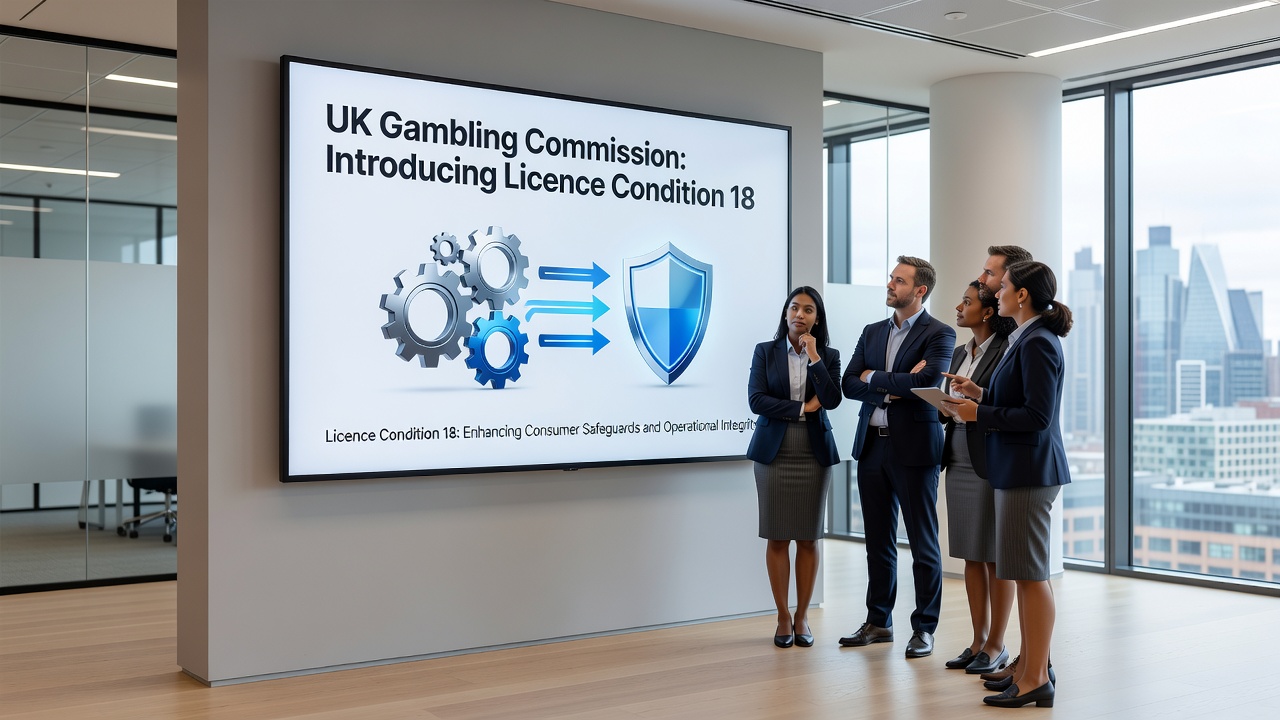
Navigating AML in Casino Money Services
Money service businesses thrive in casinos because gamblers often carry cash for convenience—exchanging foreign currency or cashing winnings on-site—but that liquidity attracts criminals layering dirty money through bets; the updated notice counters this by mandating policies that policies, customer risk scoring based on factors like transaction volume, geographic origin, and behavioral anomalies.
Staff training gets a spotlight too: front-line employees learn to probe inconsistencies, such as a player exchanging large sums without gaming activity, triggering immediate SAR filings; figures from the Commission's annual reports reveal thousands of such suspicions filed yearly from land-based venues, with money services flagging higher proportions.
But here's the thing with tech integration: operators increasingly deploy AI-driven monitoring for cage activity, cross-referencing with play data to flag anomalies in real time; the guidance endorses this, provided human oversight remains, since over-reliance on algorithms has tripped up firms in past probes.
Compliance Tools and Best Practices
Successful navigators adopt multi-tiered approaches: automated transaction monitoring systems paired with manual reviews for thresholds over £2,000, ongoing staff refreshers via e-learning modules, and board-level AML committees reporting quarterly; one study of compliant casinos found those investing in such setups reduced breach risks by up to 40%, according to enforcement trend data.
Yet challenges persist for smaller venues juggling services without dedicated compliance teams; the notice offers scalable templates, making it feasible even for independents, although full adoption demands resources amid economic squeezes hitting hospitality.
Broader Regulatory Landscape in 2026
April 2026 marks a pivotal month, with this notice dovetailing into the Licence Conditions and Codes of Practice (LCCP) revisions looming later in the year; while LCCP tweaks target operators broadly, money services carve out casino-specific nuances, reflecting how physical sites shoulder unique burdens compared to online peers.
Enforcement data underscores urgency: in 2025, the Commission levied £25 million in AML fines, many tied to inadequate due diligence in cash-heavy environments; casinos providing these services topped violation lists, prompting the update to preempt further escalations.
What's significant is international alignment too—UK rules mirror FATF recommendations, where gambling sectors rank high-risk globally; operators with overseas ties must harmonize, especially as EU neighbors tighten parallel regimes post-Brexit.
And for players? Indirect effects ripple through: stricter checks mean smoother experiences for legitimate patrons, though occasional delays at cages during peak hours; those who've navigated compliant floors report minimal friction when IDs match seamlessly.
Implications for Operators and the Industry
Casinos now scramble to audit current setups against the new notice, with deadlines implied for immediate effect; larger chains like those in London and Manchester roll out updates swiftly via centralized compliance hubs, while regionals lean on Commission webinars for guidance—sessions booked solid in early April.
The reality is, non-compliance stings: license suspensions, director disqualifications, and reputational hits follow breaches, as seen in a 2024 Midlands casino case where money service lapses led to closure; proactive firms, conversely, turn this into advantage, marketing "secure environments" to cautious high-rollers.
Turns out, innovation blooms under pressure: some venues pilot blockchain-ledgers for transparent exchanges, fitting squarely within guidance allowances for tech that enhances—not replaces—AML rigor; researchers tracking adoption predict wider uptake by year-end.
People in the sector often discover that collaboration pays off too—industry groups like the British Casino Association disseminate toolkits, fostering peer benchmarks that ease the burden collectively.
Conclusion
The UK Gambling Commission's updated notice on casinos providing money service businesses solidifies AML fortifications at a time when financial crimes evolve rapidly, blending the March digital identity guidance into a cohesive shield for operators; casinos embracing these revisions not only sidestep penalties but also fortify trust in an industry under constant watch.
As April 2026 unfolds, compliance becomes the new baseline, with data poised to show measurable drops in sector-wide risks; those operators who act decisively position themselves ahead, ensuring money services enhance rather than endanger gaming's vibrant ecosystem.